
Modafinil Dosage Guidelines for Safe and Effective Use
Determining the correct modafinil dosage is crucial for maximizing cognitive benefits while minimizing side effects like insomnia or anxiety. Standard doses range from 100mg to 200mg, typically taken once in the morning to promote wakefulness for up to 12 hours. Starting with the lowest effective amount and avoiding late-day consumption helps ensure both safety and sustained focus.
Standard Modafinil Dosage Guidelines
The standard modafinil dosage for most adults starts at 200mg taken once daily, typically in the morning to avoid disrupting nighttime sleep. For conditions like narcolepsy or shift work disorder, this single dose is often effective, though some may require a lower 100mg dose if they experience side effects like headaches. It’s crucial not to exceed the recommended amount, as higher doses don’t boost effectiveness but do increase risks of anxiety or jitters. Always consult your doctor before adjusting your dosage, as individual tolerance varies widely. For obstructive sleep apnea, modafinil is a supplement—not a replacement—for your primary treatment like CPAP. Consistency matters: taking it early and at the same time each day helps maintain a stable energy and focus level without overstimulation. Never crush or chew tablets, and avoid alcohol to prevent adverse reactions.
Initial Recommended Daily Dose for Adults
Standard Modafinil dosage guidelines typically start at 200 mg taken once daily in the morning to prevent sleep disruption. Most users find this single dose effective for promoting wakefulness throughout the day. For narcolepsy or shift work disorder, doctors may adjust the amount based on individual response. Managing your modafinil dosage schedule carefully is key to avoiding side effects like headache or anxiety. Common recommendations include:
- Start with 100 mg to test tolerance before moving to 200 mg.
- Never take more than 400 mg per day, as higher doses don’t improve focus.
- Avoid afternoon doses to protect nighttime sleep quality.
Always follow medical advice, as personal factors like weight and metabolism affect the ideal dose.

Maximum Daily Dose Limits
Standard Modafinil dosage guidelines begin with a clear starting point: most adults take a single 200 mg dose each morning. This smart drug’s strength lies in its long half-life, keeping you alert for 10–12 hours without the jittery crash of caffeine. Doctors often prescribe this daily amount for shift work disorder or narcolepsy, while some split it into two 100 mg doses to fine-tune their energy curve. Finding your modafinil dose threshold is a personal journey—start low, at 50 mg, if you’re sensitive, then slowly adjust over a week. Never take it after noon, or sleep will slip through your fingers like water. One rule stands firm: exceed 400 mg daily, and anxiety or headaches will knock at your door, turning focus into fog.
Timing of Administration to Avoid Insomnia
Standard modafinil dosage typically begins at 200 mg taken once daily in the morning to promote wakefulness while minimizing sleep disruption. For narcolepsy or obstructive sleep apnea, this single morning dose is often sufficient, though some patients may require 100 mg for milder cases or reduced tolerance. Shift work sleep disorder calls for a 200 mg dose taken approximately one hour before the start of the shift. Titrating modafinil dosage for individual response is crucial: start low and adjust based on efficacy and side effects like headache or anxiety. Avoid afternoon or evening doses to prevent insomnia. Tablets should be swallowed whole, not crushed. Always consult a healthcare provider before modifying your regimen, as liver function can alter metabolism. Higher doses above 400 mg daily do not enhance benefits but increase adverse effects.
Dosage Adjustments for Specific Populations

In a bustling community pharmacy, the pharmacist paused before finalizing a prescription for an elderly patient with failing kidneys. She knew that standard dosing could quietly turn a cure into poison. This is the hidden art of dosage adjustments for specific populations. For seniors, liver function often wanes, demanding gentler starting doses. In pregnancy, altered blood flow and metabolism shift drug levels unpredictably, while pediatric patients require precise weight-based calculations to avoid toxicity. Those with chronic conditions like heart or kidney disease need careful monitoring, as their bodies cannot clear medications efficiently. Overlooking these factors risks harm, akin to forcing a small boat to carry a cargo meant for a freighter. Ultimately, personalized dosing isn’t just technical—it’s a quiet act of protection, ensuring medicine heals without leaving a shadow.
Elderly Patients
Dosage adjustments for specific populations are critical to ensure both safety and efficacy, as standard doses can be dangerously ineffective or toxic for patients with unique physiological needs. For older adults, reduced liver and kidney function often demands lower initial doses for elderly patients to prevent adverse drug reactions. Similarly, pediatric dosing requires careful weight-based calculations due to immature organ systems. In hepatic impairment, medications metabolized by the liver must be significantly reduced or avoided entirely. Renal failure patients require meticulous dose reductions for drugs cleared by the kidneys, often guided by glomerular filtration rate calculations. Pregnant or lactating women present another challenge, as altered blood volume and drug transfer to the fetus or infant can necessitate dose changes or alternative therapies.
“One patient’s therapeutic dose can be another’s toxic overload — never assume universal dosing works.”
Patients with Hepatic Impairment
Dosage adjustments are critical for specific populations due to differences in drug metabolism and elimination. For older adults, reduced renal and hepatic function often necessitates lower doses to prevent toxicity. Pediatric patients require weight-based or body surface area calculations, as their developing organs process medications differently. In renal impairment, the creatinine clearance rate guides reductions for drugs cleared by the kidneys. Hepatic impairment, particularly in cirrhosis, can slow drug breakdown, requiring careful monitoring and dose decreases.
Always adjust doses based on organ function, not just body weight.
Population-specific dosing also applies to pregnancy, where increased blood volume and metabolic changes may require higher doses for certain drugs. Similarly, genetic polymorphisms in enzymes like CYP2D6 can alter drug response, making pharmacogenomic testing valuable for precision dosing.
Patients with Renal Impairment
Dosage adjustments are critical for specific populations to prevent toxicity or therapeutic failure. In elderly patients, age-related declines in renal and hepatic function often necessitate reduced doses of medications like anticoagulants and opioids. For pediatric patients, weight-based or body surface area calculations are standard, as liver metabolism and kidney filtration differ markedly from adults. Pregnant individuals require careful dose modifications due to altered blood volume and placental transfer risks. Patients with chronic kidney disease demand individualized regimens, particularly with drugs like metformin or certain antibiotics that rely on renal clearance. Always check creatinine clearance before prescribing renally excreted drugs. Clinical trials often exclude these vulnerable groups, so real-world dosing requires vigilant monitoring to balance efficacy and safety across diverse physiologies.
Modafinil Dosage for Narcolepsy
For someone living with narcolepsy, the dawn often feels like a cruel enemy, pulling them from a world of fragmented sleep into a waking fog. The standard Modafinil dosage typically begins with a single morning dose of 200 mg. This small, white tablet becomes a quiet ritual, a key to unlocking wakefulness without the jittery crash of traditional stimulants. It doesn’t force alertness; it gently nudges the brain’s wake-promoting centers, helping to silence the sudden urges for sleep that hijack the day. Over time, a doctor might adjust the dose, often advising a split regimen of 100 mg twice daily for those who find the effects wear off too soon. It’s a delicate balance—enough to feel present during a meeting, but not so much that it disrupts the already delicate architecture of nighttime rest. For many, this measured dose transforms a life measured by exhaustion into one of reliable, steady clarity.

Split Dosing Strategy for Morning and Midday
For managing narcolepsy, the standard modafinil dosage for narcolepsy typically starts at 200 mg taken once daily in the morning. This wakefulness-promoting agent helps combat excessive daytime sleepiness, allowing patients to maintain focus and energy throughout the day. Physicians may adjust the dose based on individual response, with some requiring a split schedule of 100 mg twice daily to optimize alertness without disrupting nighttime sleep. Key considerations include:
- Timing: Always take the first dose upon waking; avoid afternoon doses to prevent insomnia.
- Titration: Start low (e.g., 100 mg) for sensitive individuals to minimize side effects like headache or anxiety.
- Monitoring: Regular follow-ups ensure the dose remains effective without tolerance buildup.
When used correctly, this dosage framework transforms daily function, turning chronic drowsiness into steady, sustainable vigilance.
Typical Response Duration and Redosing
For managing narcolepsy, the standard Modafinil dosage begins at 200 mg taken once each morning. Clinical evidence confirms this single daily dose effectively promotes wakefulness throughout the day without disrupting nighttime sleep for most patients. Some individuals may find a split dose strategy—100 mg in the morning and 100 mg at midday—optimizes symptom control, particularly for severe daytime drowsiness. Avoid afternoon dosing to prevent sleep interference. Narcolepsy treatment guidelines emphasize starting at the lowest effective dose and adjusting under medical supervision. Typical regimens include:
- 200 mg once daily (most common)
- 100-150 mg for elderly or those with liver issues
- Up to 400 mg total daily maximum (rarely needed)
Always follow your prescribing physician’s exact instructions, as individual response and tolerance vary.
Modafinil Dosage for Shift Work Sleep Disorder
For treating Shift Work Sleep Disorder, the recommended Modafinil dosage is typically 200 mg taken once daily, approximately one hour before the start of the work shift. This timing helps optimize wakefulness during the demanding night or rotating shift period. The 200 mg dose is the standard therapeutic amount proven effective in clinical trials, and it should not be exceeded to minimize potential side effects like headache or nausea. It is critical for patients to maintain strict adherence to the prescribed dosing schedule, avoiding additional doses during the same waking period. Unlike some stimulants, Modafinil does not correct the underlying circadian misalignment but rather supports improved alertness and performance during scheduled work hours. Lower doses are not recommended due to reduced efficacy, while higher amounts do not provide proportional benefits and increase risks. A healthcare provider should evaluate the patient’s response and adjust the plan only if necessary, emphasizing that modafinil dosage for shift work is a targeted, once-daily intervention.
Single Dose Prior to Shift Start
For Shift Work Sleep Disorder (SWSD), the standard Modafinil dosage is a single 200 mg tablet taken one hour before the start of your shift. This precise timing is critical to align the drug’s wakefulness-promoting effects with your work period. A lower 100 mg dose may be prescribed for those who experience intolerance, but exceeding 200 mg daily does not improve efficacy and increases side effects. Never double up on a missed dose; simply skip it to avoid disrupting your next sleep cycle. This medication is not a cure, but it effectively combats the extreme drowsiness that makes staying alert during night or rotating shifts dangerous.
Dosage Timing Relative to Sleep Schedule
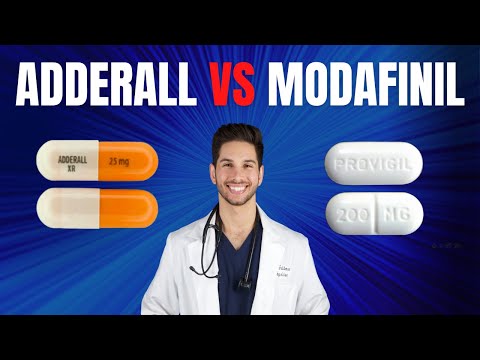
For shift work sleep disorder, the recommended modafinil dosage for shift work sleep disorder is typically 200 mg taken once daily, approximately one hour before the start of the work shift. This timing helps align the drug’s peak concentration with the period of required alertness. Dosage adjustments are generally modafinil vs adderall not needed based on age or gender, but patients with severe hepatic impairment should have their dose reduced to 100 mg. It is critical to avoid taking multiple doses within a 24-hour period to prevent overstimulation and sleep disruption. Clinical guidelines emphasize that while modafinil significantly improves wakefulness, it does not replace adequate sleep during off-hours. Patients should adhere strictly to the prescribed schedule and avoid concurrent use of other CNS stimulants unless approved by a specialist, as improper use can increase cardiovascular strain.
Modafinil Dosage for Obstructive Sleep Apnea
For treating obstructive sleep apnea, the standard Modafinil Dosage is typically 200 mg taken once daily in the morning. This wakefulness-promoting agent helps counteract the excessive daytime sleepiness that persists even with proper CPAP use, offering a dynamic boost to energy and focus. Some patients may find a 100 mg dose effective, while others might require up to 400 mg, though splitting this higher amount into morning and midday doses can prevent sleep disruption. Optimal Modafinil Dosage should always be tailored by a physician to balance alertness with potential side effects like headache or anxiety. Adherence to pressure therapy remains crucial, as this sleep apnea treatment addresses symptoms, not the underlying airway obstruction. Starting low and monitoring response ensures you harness its full potential without overstimulation.
Adjunct Use with CPAP Therapy
For obstructive sleep apnea (OSA), modafinil serves as an adjunct therapy to primary airway management. The standard recommended dose is 200 mg taken once daily in the morning to promote daytime wakefulness. Some patients may require a total of 400 mg daily, though this should be split into two doses—morning and noon—to minimize sleep disruption. Modafinil for obstructive sleep apnea is not a substitute for positive airway pressure (PAP) therapy but is prescribed when residual excessive sleepiness persists despite optimal device use. Key dosing considerations include:
- Initiate at 200 mg daily; adjust to 400 mg maximum per day.
- Take in the morning; if doubling dose, second dose by early afternoon.
- Monitor for side effects like headache, anxiety, or palpitations.
- Avoid use with other CNS stimulants without specialist oversight.
Recommended Starting Dose
For obstructive sleep apnea (OSA), standard modafinil dosing typically starts at 200 mg once daily, taken in the morning to counteract residual daytime sleepiness despite optimal CPAP therapy. Dosage may be reduced to 100 mg for patients with hepatic impairment or those sensitive to stimulant effects. Avoid evening doses to prevent insomnia. Key considerations include:
- Do not exceed 400 mg daily; split into two doses if needed.
- Monitor for headache, anxiety, or nausea, which are common side effects.
- Combine with confirmed CPAP adherence, not as a replacement treatment.
Off-Label Modafinil Dosage Profiles
The landscape of off-label Modafinil dosage profiles reveals a stark departure from standard prescribing, driven by users seeking cognitive enhancement beyond its narcolepsy indication. Many opt for a standard 200 mg morning dose to sustain focus, yet a subset explores fractionated protocols, splitting 100 mg into two doses to mitigate afternoon crashes. Some high-tolerance individuals report escalating to 400 mg, though this frequently invites anxiety and insomnia. A compelling minority employs a “microdosing” strategy, using 50 mg or less to avoid jitters while maintaining alertness.
Chronic daily high-dose use often leads to diminishing returns, pushing users into a dangerous cycle of tolerance and dependence rather than sustained productivity.
Such dynamic profiles underscore a critical tension: optimizing modafinil’s potential for wakefulness without sacrificing long-term neural health, a balance that remains poorly understood outside regulated trials.
Cognitive Enhancement in Healthy Adults
Off-label modafinil dosage profiles vary significantly based on individual goals and tolerance, though standard clinical prescribing caps at 400 mg/day for narcolepsy. Common off-label regimens often start at 100 mg, with many users reporting optimal cognitive effects at 200 mg taken once in the morning. Users splitting doses or exceeding 400 mg to extend wakefulness risk diminishing returns and side effects like anxiety or insomnia. Off-label modafinil dosing requires careful titration to avoid adverse outcomes. A typical approach includes:
– Starting dose of 50 mg to assess sensitivity.
– Core dose of 100–200 mg for sustained focus.
– Maximum occasional dose of 300 mg, rarely exceeded. Individual response to modafinil varies widely, making dose adjustments highly personal. Such unapproved uses lack formal safety data and should be approached with caution.
Dosage for Fatigue in Multiple Sclerosis
Off-label modafinil dosage profiles vary widely, as users often experiment with doses outside FDA-approved guidelines for narcolepsy or shift work disorder. Many individuals seeking cognitive enhancement start with **100–200 mg daily**, taken early morning to avoid insomnia, but some adjust lower. Common off-label patterns include:
- Microdosing (25–50 mg) for subtle focus without jitters.
- Standard split (100 mg twice daily) for extended wakefulness, though this risks sleep disruption.
- High single dose (300–400 mg) used by some for intense tasks, but increases side effects like anxiety or headache.
Effects can last 10–12 hours, so timing is crucial. Always start with the lowest effective dose.
Q: Can I take modafinil daily off-label?
A: Not recommended—tolerance builds quickly, and long-term safety is unstudied. Most users cycle 2–4 times weekly.
Q: Is 50 mg enough for focus?
A: Yes, many find 50 mg sufficient for mild cognitive lift without overstimulation.
Dosage for ADHD in Adults
Off-label modafinil dosage profiles frequently deviate from the standard 200mg daily prescription, with users often experimenting with lower or higher amounts. While clinical guidelines recommend a single morning dose for narcolepsy, off-label use for cognitive enhancement or shift work typically involves doses ranging from 50mg to 400mg per day. Off-label modafinil dosages require careful titration due to individual metabolism variability. Common non-prescribed patterns include split dosing (e.g., 100mg twice daily) to extend wakefulness or microdosing (25–50mg) to minimize side effects like anxiety or insomnia. It is critical to note that such profiles lack regulatory approval and safety data. Key considerations include:
- Avoiding doses above 400mg to reduce cardiovascular strain.
- Limiting use to 2–3 times per week to prevent tolerance.
- Adjusting based on half-life (12–15 hours) to avoid sleep disruption.
No table is included, as dosage profiles are highly individualized and not standardized for off-label use.
Titration and Dose Optimization
Titration is the methodical, incremental adjustment of a medication’s dosage to find the optimal balance between therapeutic effect and tolerability for a specific patient. This dynamic process begins with a low, safe starting dose, which is then carefully increased while closely monitoring the patient’s response and any side effects. The goal of dose optimization is to hit a precise therapeutic window, avoiding both sub-therapeutic underdosing and dangerous toxicity. By personalizing treatment in this way, clinicians can maximize efficacy while minimizing adverse reactions, a critical approach for drugs with narrow safety margins like insulin or anticoagulants. Ultimately, precision dosing transforms generic prescriptions into powerful, tailored therapies.
Starting Low and Gradual Increase

In a candlelit lab, Sarah watched the last drop of titrant turn the solution a faint pink, realizing her patient’s exact metabolic threshold was finally clear. Titration and dose optimization relies on this precise, stepwise addition of a reagent to identify the neutralization point of an acid or base. *Each incremental adjustment mirrors how clinicians fine-tune medication levels for individual response.* This method ensures no harmful excess, using key steps: initial approximation, controlled increments, and endpoint monitoring. Dose optimization follows the same logical curve, avoiding toxicity while achieving therapeutic effect. Whether in a flask or a patient, the principle remains—small, data-driven changes unlock the perfect balance.
Monitoring for Tolerance and Efficacy
Titration is the careful, step-by-step adjustment of a medication dose to find your personal “sweet spot”—the smallest amount that works best with the fewest side effects. Think of it like tuning a radio dial until the static clears. Your doctor starts you on a low dose, then slowly increases it, monitoring how you respond at each stage. This process is essential for drugs with a narrow safety margin. Personalized medication management relies heavily on this method to avoid underdosing (no effect) or overdosing (toxicity). For chronic conditions like high blood pressure or epilepsy, titration helps your body build tolerance gradually. The goal isn’t a generic dose, but one that fits your unique metabolism and lifestyle.
Risks of High Doses and Overdose
High doses of any substance dramatically escalate the risk of acute toxicity, organ failure, and fatal overdose. The line between a therapeutic effect and a life-threatening event is razor-thin. Substance abuse directly overwhelms the body’s natural detoxification pathways, particularly in the liver and kidneys. The most immediate dangers include respiratory depression, cardiac arrest, and severe neurological damage. Even what might seem like a minor increase in dosage can trigger a cascade of irreversible harm. Psychological dependence deepens as tolerance builds, forcing users into a dangerous cycle of escalating consumption. Overdose is not a hypothetical; it is a statistical certainty for those who ignore dosage limits. Opioid safety protocols are frequently discarded, leading to preventable deaths. The evidence is unequivocal: there is no safe threshold for reckless consumption, and the consequences of a single mistake can be permanent. Prioritizing strict adherence to prescribed amounts is non-negotiable for survival.
Threshold for Adverse Effects
Taking high doses of drugs, whether prescription or illicit, significantly elevates the risk of acute drug toxicity and fatal overdose. When the body cannot metabolize a substance quickly enough, it overwhelms critical systems, particularly the central nervous system and respiratory function. Common signs of an overdose include extreme confusion, vomiting, seizures, slowed or stopped breathing, and loss of consciousness. Specific risks vary by substance: Opioids can cause respiratory depression within minutes, while stimulants may trigger a cardiac arrest. Factors like mixing substances, varying potency, and individual tolerance make the danger unpredictable. Immediate medical intervention is crucial, as delays can lead to permanent organ damage or death.
- Respiratory failure from opioid or sedative overdose
- Cardiac arrhythmia or arrest from stimulant overdose
- Liver or kidney failure from acetaminophen or heavy metal overdose
Signs of Modafinil Overdose
Taking high doses of prescription or over-the-counter medications, supplements, or illicit substances significantly increases the risk of acute toxicity and overdose. Overdose risks are dose-dependent and can be life-threatening. The body’s metabolic pathways can become overwhelmed, leading to severe adverse effects such as respiratory depression, cardiac arrhythmia, liver or kidney failure, seizures, or coma. Even substances considered safe at standard doses, like acetaminophen or certain vitamins, can cause permanent organ damage when misused. The likelihood of overdose is heightened by factors including body weight, genetic enzyme variations, and concurrent use of alcohol or other drugs that can create dangerous interactions.
How to Take Modafinil Correctly
Modafinil should be taken exactly as prescribed, typically once daily in the morning to prevent nighttime insomnia. Swallow the tablet whole with water, and avoid crushing or splitting it unless scored. Taking the medication with or without food is acceptable, but a high-fat meal may delay absorption. Adhering to safe modafinil dosage is critical; most protocols start at 100–200 mg. Do not exceed the recommended dose to optimize cognitive enhancement outcomes while minimizing side effects like headache or anxiety.
Consistency in timing reduces tolerance and maintains wakefulness throughout the day.
Drink adequate water and monitor for skin rashes or allergic reactions, which require immediate medical attention. Avoid combining modafinil with alcohol or other stimulants. Long-term use should be periodically reassessed by a physician to prevent dependency.
Swallowing Tablets Whole
To take modafinil correctly, start with a low dose to assess your tolerance, typically 50–100mg in the morning. This improves wakefulness medication has a long half-life, so never take it after noon to avoid disrupting sleep. Swallow the tablet whole with water, with or without food, but avoid grapefruit juice. Do not exceed 200mg daily unless your doctor advises otherwise. For best results, cycle your use, such as taking it 3–5 days per week, to prevent building a tolerance. Common side effects include headache and anxiety, so stay hydrated and consider pairing with L-theanine to ease jitters. Avoid alcohol and other stimulants. Monitor how it affects your focus and energy, and always consult a healthcare provider before adjusting your regimen.
Interaction with Food and Beverages
Taking modafinil correctly is about timing, dosage, and consistency to maximize its wakefulness-promoting benefits. Start with the lowest effective dose—typically 100–200mg taken early in the morning to prevent insomnia. Swallow the tablet whole with water, and avoid crushing it, as this can cause a rapid, overwhelming release. Since food, especially high-fat meals, delays absorption, take it on an empty stomach for faster onset. Strategic modafinil dosing hinges on your goal: for long workdays, a single 200mg dose at 7 a.m. often suffices; for sharper focus, split 100mg doses four hours apart. Do not exceed 400mg daily—the risk of side effects spikes. Stay hydrated, as modafinil suppresses thirst cues, and limit caffeine to avoid jitters. Cycle usage, skipping days, to prevent tolerance build-up.
Duration of Continuous Use
To take Modafinil correctly, begin with the lowest effective dose to assess tolerance, typically 50–100 mg upon waking. Always take Modafinil early in the day to prevent nighttime insomnia, as its long half-life can disrupt sleep patterns. Swallow the tablet whole with water, with or without food—though a high-fat meal may delay absorption. Never crush or chew it. Avoid alcohol and stimulants like caffeine during use to reduce anxiety and overstimulation. For cycle safety, use Modafinil no more than three times per week to prevent tolerance buildup. If you require daily use, consider a 100 mg dose split between morning and early afternoon. Stay hydrated, as the drug can cause dry mouth and dehydration. Discontinue immediately if you experience rash, facial swelling, or chest pain, as these may indicate a serious adverse reaction.